
Call Us!
Dual-Rotor Lump Breaker
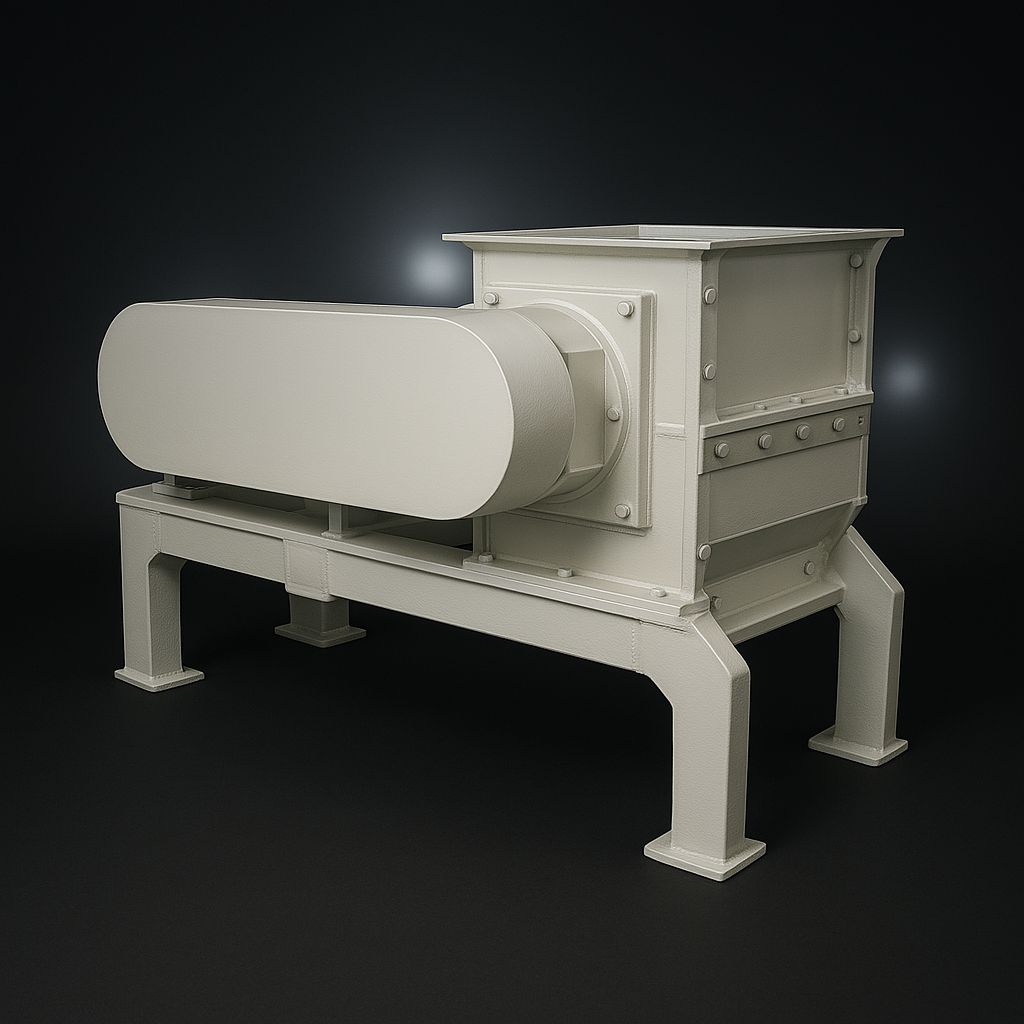
JERSEY CRUSHER designs and manufactures dual-rotor lump breaker systems for industrial operations that require reliable reduction of compacted bulk material. Based in Wayne, NJ, our equipment supports manufacturers and processors that handle powders, granules, and solid masses formed during storage, transport, or upstream processing. dual-rotor lump breakers are designed for heavy-duty applications where single-shaft machines may struggle with throughput, density, or material variability.
These machines are commonly installed beneath silos, hoppers, tanks, and packaging lines to reduce lump formation before it interferes with downstream equipment. By conditioning material early in the process, a dual-rotor lump breaker supports steady flow, protects conveying systems, and stabilizes overall plant performance.

What Makes a Dual-Rotor Lump Breaker Different
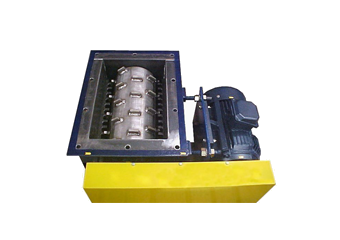
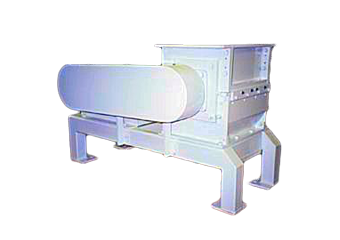
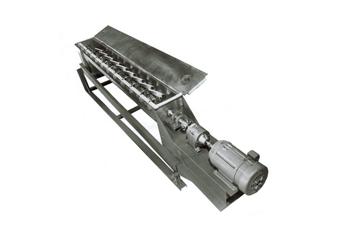
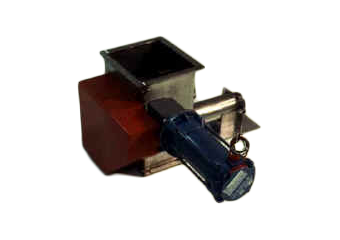
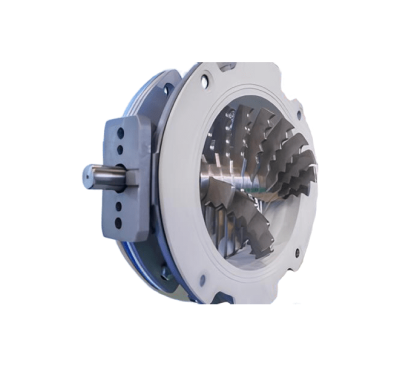
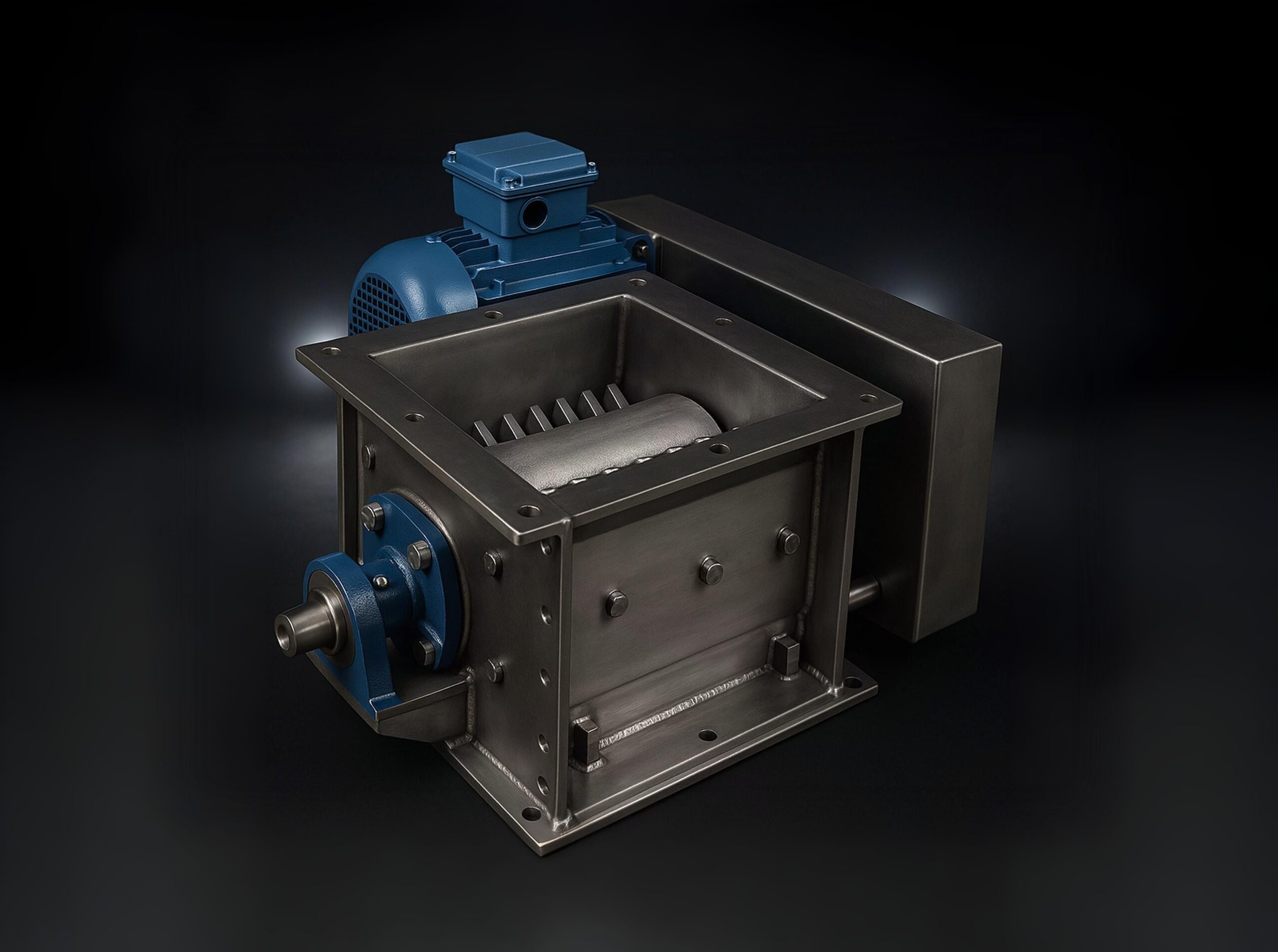
A dual-rotor lump breaker uses two parallel, counter-rotating rotors to break down compacted material. Each rotor is fitted with hardened comb-style elements that draw material inward and apply controlled crushing action. This design allows the machine to process dense or irregular lumps more evenly than a single-rotor crusher or mill.
Unlike equipment designed for fine grinding, a lump breaker focuses on deagglomeration rather than size reduction to powder. It reduces oversized material to manageable pieces without excessive fines, helping preserve material integrity and limiting unnecessary dust generation.
Key Operating Principles
dual-rotor lump breakers rely on mechanical interaction rather than impact or compression alone. As material enters the machine, the opposing rotors apply shear and pulling force that fractures the lump along natural fault lines. This method works well across a wide range of materials, including mineral-based products, agricultural feedstock, and industrial waste streams. The result is consistent material flow into downstream systems such as screw conveyor assemblies, feeders, or mills.
Contact Us
Materials and Industries Served
JERSEY CRUSHER dual-rotor lump breakers are used across many industrial sectors where bulk solids are part of daily operations. These machines are adaptable to materials that vary in hardness, moisture content, and chemical composition.
Cement, Lime, and Mineral Processing
In cement operations, compacted material can form in silos or discharge chutes, especially around transfer points. A dual-rotor lump breaker reduces cement-related lumps before they disrupt feeding systems. Similar performance benefits apply to lime and calcium-based materials that tend to cake under pressure. In mineral processing and mining, these machines are used for coal, clay, ore, and other mineral feedstock that can bridge or compact during storage.
For applications requiring additional conditioning beyond simple deagglomeration, some plants pair lump breaking with abrasion-based reduction using lump abradors. That approach is relevant when material characteristics require additional surface conditioning.
Chemical, Resin, and Powder Handling
Powder handling creates recurring challenges when materials absorb moisture or compact under their own weight. Resin products, sodium compounds, salt, and other industrial powders can form lumps that interrupt feeding, blending, or packaging. dual-rotor lump breaker equipment reduces these masses without turning the line into a fine grinding operation. That helps keep the process stable and reduces unnecessary dust in the work area. In plants that also require a tighter particle size distribution after conditioning, Particle-izers can be part of a broader material-reduction strategy downstream.
Agriculture, Grain, and Animal Feed
In agricultural applications, grain and animal feed products can form lumps during storage. dual-rotor lump breakers help restore free-flowing material before it enters packaging equipment or transfer systems. This supports reliable handling while limiting damage to the grain structure.
Construction and Industrial Waste
Construction materials and industrial waste streams often contain irregular lumps that interfere with processing. dual-rotor machines handle materials such as concrete residue, plastic scrap, and mixed industrial waste that require controlled reduction without fine grinding.
Contact Us
Construction and Machine Design
Steel and Stainless Steel Options
JERSEY CRUSHER offers dual-rotor lump breakers in carbon-steel and stainless-steel configurations. Carbon-steel machines are commonly used in dry, non-corrosive environments, such as cement plants and mining facilities. Stainless steel construction is preferred in applications involving moisture, corrosive materials, or sanitary requirements.
Material selection plays a direct role in wear resistance and long-term reliability. Components exposed to abrasion can be reinforced or treated based on the material being processed.
Rotor, Gear, and Transmission Design
Each dual-rotor machine is built around a synchronized gear and transmission system that maintains proper rotor alignment. This coordination allows both rotors to work together without collision while applying consistent force across the material bed.
Bearings and gear assemblies are selected to manage continuous operation and variable load conditions. The transmission system transfers power efficiently while minimizing vibration and mechanical stress on the equipment.
Contact Us

Integration With Conveying, Feeding, and Packaging Systems
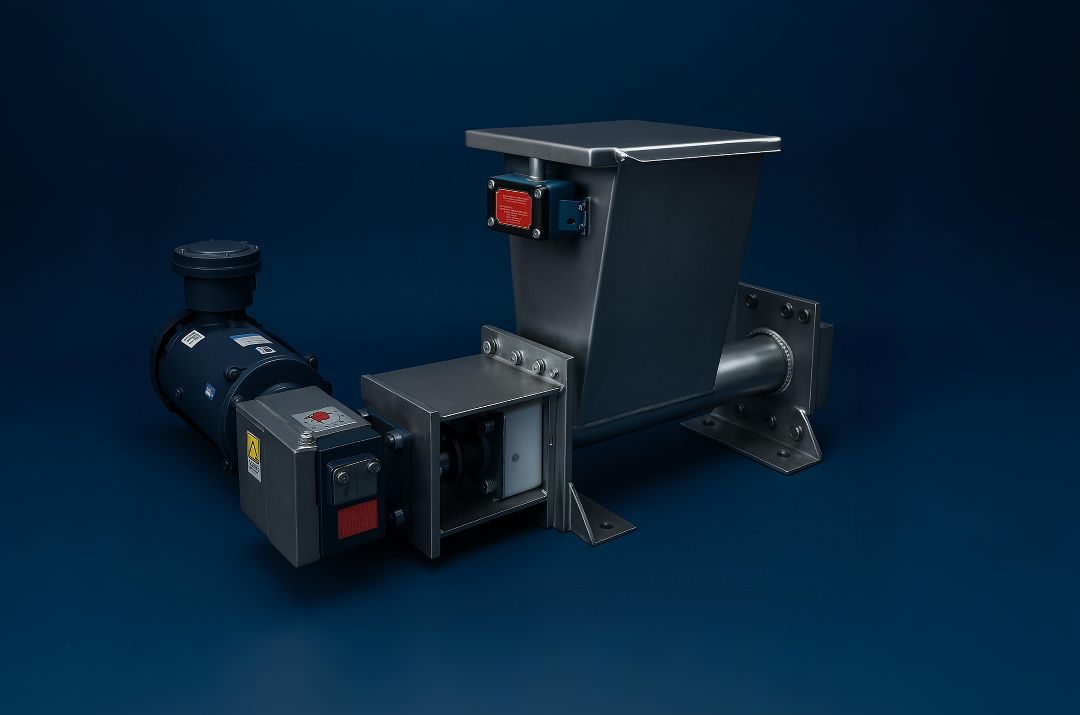
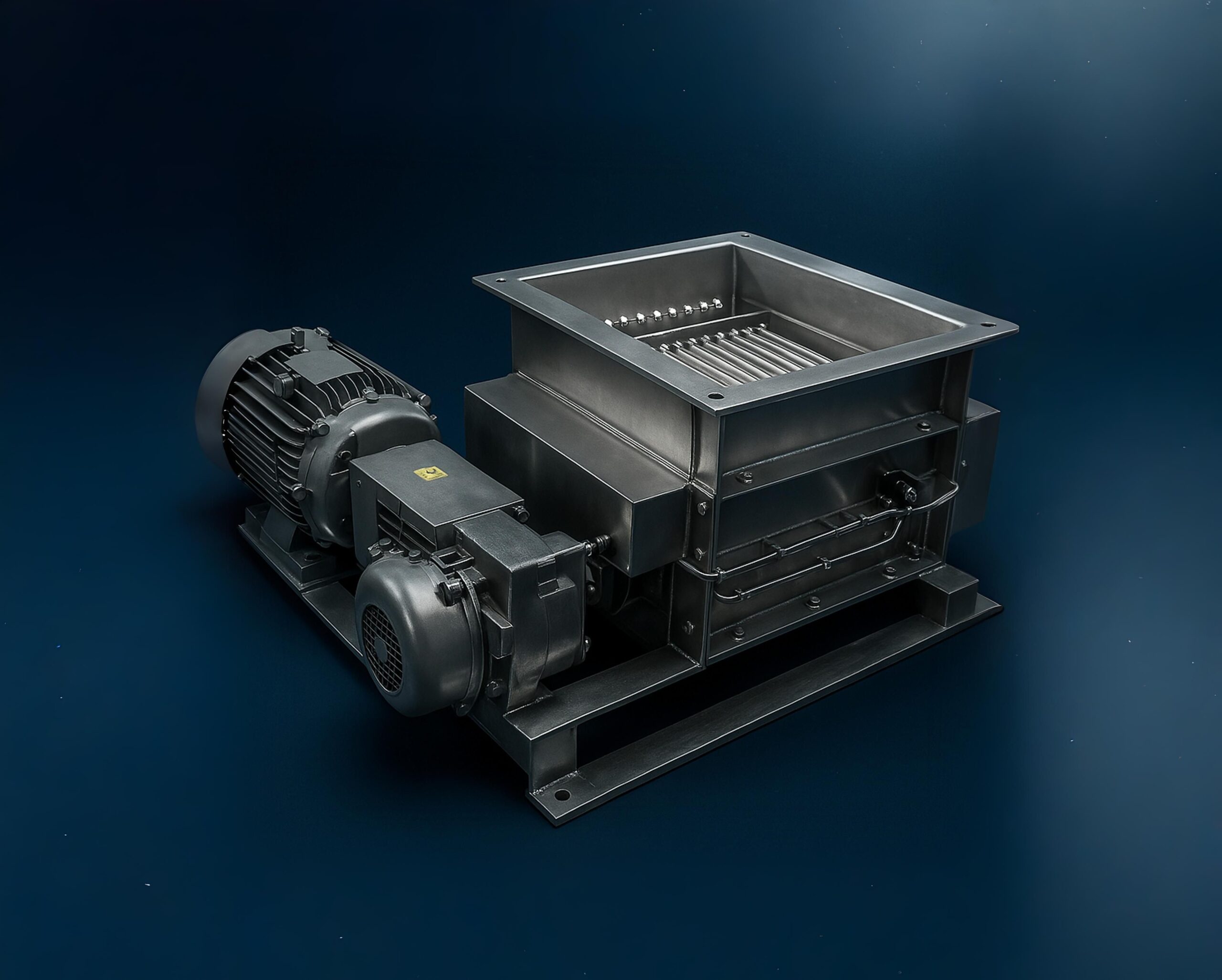
Dual-rotor lump breakers are designed to fit into real plant layouts without adding unnecessary complexity. They can be mounted under a silo discharge flange, above a screw conveyor, or ahead of a feeder system that controls downstream feed rate. Screw conveyors are a common companion component, moving conditioned material to the next step in the process.
When a line needs consistent metering after lump reduction, volumetric feeder systems can regulate the flow rate into the next piece of equipment. That helps stabilize downstream loads and improves consistency through the process.
Packaging lines also benefit from predictable discharge. When lumps hit a packaging system, they can cause inconsistent fills, line stops, and rejected bags. A dual-rotor lump breaker reduces those issues by conditioning material before it reaches the packaging zone.
Contact Us
Managing Wear, Dust, and Process Stability
Wear Considerations
Wear rates depend on material hardness, particle size, and operating hours. Dual-rotor designs distribute force across multiple comb elements, helping balance wear patterns. Replaceable components allow targeted maintenance rather than full machine replacement. Routine inspection supports predictable service intervals and consistent machine output.
Dust Control and Environmental Factors
While lump breakers generate less dust than fine grinding equipment, dust control still matters in many facilities. Dual-rotor lump breakers can be integrated with a dust collector system when processing dry powders or mineral materials. This may include ducting to a bag system that captures airborne dust before it spreads within the plant. Managing dust supports cleaner working conditions and protects surrounding equipment.
Contact Us
Supporting Efficient Manufacturing Processes
dual-rotor lump breakers support efficient manufacturing by stabilizing material flow early in the process. By reducing lumps before they reach sensitive equipment, these machines help limit blockages, uneven feed rates, and mechanical stress. They are often installed as part of a larger system that includes lump breakers, feeders, and size reduction equipment. For facilities that rely on continuous operation, this type of equipment helps maintain consistent output while reducing unplanned interruptions.
Maintenance, Parts, and Long-Term Support
Routine maintenance includes monitoring rotor alignment, inspecting wear components, and checking gear and transmission condition. Access points are designed to support service without excessive downtime.
JERSEY CRUSHER supplies spare parts to support ongoing maintenance and long-term equipment life. Having access to replacement components allows plant teams to plan maintenance activities around production schedules rather than reacting to failures.
Request Information From JERSEY CRUSHER
If your operation handles compacted powder, mineral material, resin, waste, or industrial bulk solids, a dual-rotor lump breaker may be the right solution. JERSEY CRUSHER works directly with customers to evaluate material behavior, process requirements, and equipment integration needs.
Contact JERSEY CRUSHER to request technical information, discuss your application, or receive pricing. Our team brings practical manufacturing experience and industrial equipment knowledge to every project, helping your plant maintain steady material flow and reliable performance.
Contact Us