
Call Us!
Lump Breaker Machines for Plastics Manufacturing
Plastic resins rarely leave the reactor, compounding line, or pelletizer in a problematic state. They are uniform, free-flowing, and ready for processing. Yet by the time those same pellets, powders, regrind materials, or additives reach your silo or hopper, conditions may have changed. Heat during transport, static buildup, compaction under load, and minor moisture exposure can cause materials to fuse or agglomerate. Pellets stick together. Powders cake. Regrind bridges at discharge points. What should feed smoothly into an extruder or molding machine instead enters in unpredictable surges or hardened masses.
Inconsistent feedstock directly impacts the performance of plastics manufacturing. Extrusion lines rely on steady input to maintain melt stability. Injection molding operations depend on uniform pellet flow for shot-to-shot accuracy. Blending systems require an even distribution of additives to maintain color and mechanical properties. When agglomerated material disrupts this balance, defects increase and efficiency declines.
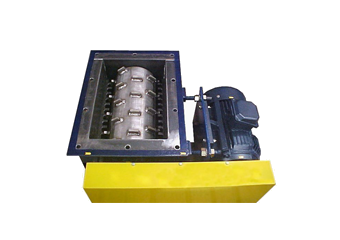
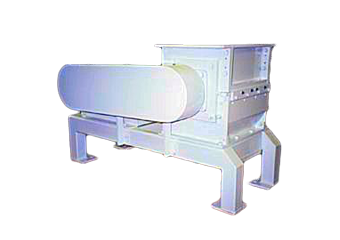
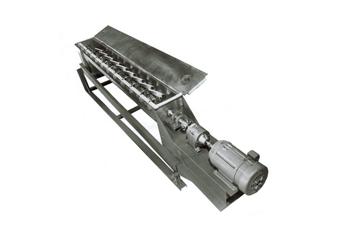
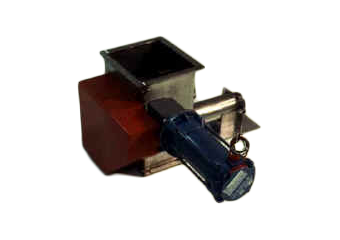
For more than four decades, JERSEY CRUSHER has designed and manufactured high-performance lump breaker machines that restore uniform material flow across a wide range of industries, including plastics manufacturing. Our equipment reduces fused pellets, compacted powders, and consolidated regrind into manageable particle sizes before they reach critical processing equipment. The result is predictable flow, protected machinery, and improved process stability. If your facility is experiencing feed interruptions or inconsistent material handling, our team is ready to help you strengthen your system.

Why Plastic Materials Agglomerate During Handling
Agglomeration in plastics manufacturing is influenced by several operational and environmental factors. Understanding these causes is essential to implementing the right solution.
- Heat Exposure During Transport: Pellets and resins transported in bulk containers may experience elevated temperatures. Even moderate heat softens certain polymers, increasing the likelihood of fusion at contact points.
- Static Electricity: Plastic materials are prone to static charge buildup. Static encourages particles to cling together, especially in dry environments.
- Compaction Under Weight: Supersacks, silos, and bulk bins exert pressure on stored materials. Over time, this pressure can compress pellets and powders into dense clusters.
- Moisture Sensitivity: Some resins absorb small amounts of moisture from the air. This can promote clumping or surface adhesion, particularly in powdered additives.
- Regrind Characteristics: Regrind materials often have irregular shapes and varying particle sizes. These characteristics increase the tendency to interlock and bridge during storage.
Each of these conditions can create material flow problems. Without proper conditioning, agglomerated feedstock can disrupt even the most carefully optimized production lines.
Ensuring Consistent Feedstock for Extrusion and Molding
Extrusion and molding operations demand precision. Fluctuations in material flow affect melt pressure, temperature stability, and finished product quality.
- Stable Extrusion Throughput: Extruders rely on consistent feed rates to maintain uniform melt conditions. Large clumps introduce sudden variations that can cause pressure spikes or uneven mixing.
- Accurate Shot Control in Injection Molding: In molding applications, uniform pellet flow ensures repeatable shot sizes and consistent part quality. Agglomerated material interferes with hopper discharge and can lead to cycle inconsistencies.
- Improved Blending Performance: Colorants, fillers, and specialty additives must distribute evenly within the base resin. Lump breakers installed upstream of blending systems promote homogeneous mixtures and reliable product properties.
- Reduced Bridging and Ratholing: Material bridging in hoppers is a common challenge in plastics facilities. Conditioning feedstock at discharge points reduces the likelihood of flow interruptions.
By restoring material to a manageable, uniform state before it reaches critical equipment, lump breakers help plastics manufacturers maintain tighter process control.
Contact Us
Precision Lump Breaking Without Material Degradation
Contact Us
In plastics processing, size reduction must be controlled. Excessive grinding can create fines that alter melt behavior or introduce contamination risks. JERSEY CRUSHER machines are engineered to condition material without damaging its intended properties.
- Targeted Reduction of Agglomerates: Our lump breakers focus on breaking fused clusters apart rather than pulverizing pellets. This preserves the original particle size distribution.
- Minimal Fines Generation: Maintaining pellet integrity reduces dust and fines that could interfere with feeding systems or filtration components.
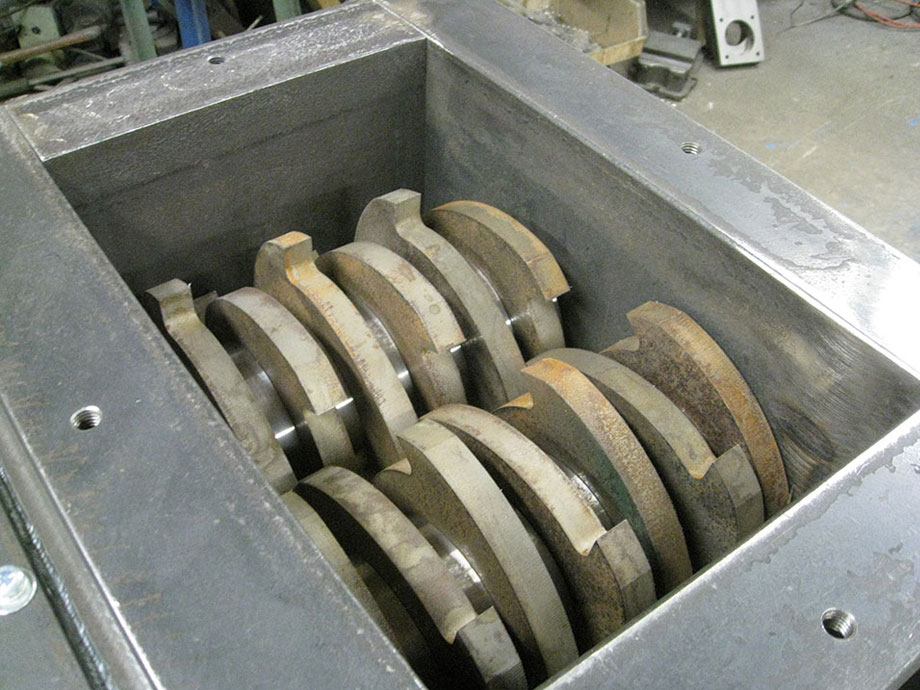
- Torque-Driven Performance: Dense agglomerates require mechanical force for effective separation. JERSEY CRUSHER equipment delivers consistent torque to efficiently fracture compacted sections.
- Material-Specific Configuration: Different polymers respond differently to stress. Our engineering approach accounts for resin type, density, and expected lump size to optimize performance.
The objective is simple. Restore flow without compromising product quality.
Built for Continuous Manufacturing Environments
Plastics manufacturing often operates on extended production schedules. Equipment must perform reliably under sustained use.
- Heavy-Duty Construction: JERSEY CRUSHER lump breakers are built with robust housings and structural components designed for industrial environments.
- Durability Under Load: Repeated exposure to fused pellets and compacted regrind requires strong mechanical systems. Our machines are engineered for long-term operation.
- Seamless System Integration: Lump breakers can be installed at silo outlets, hopper discharges, or upstream of blending and conveying systems. Integration is planned to minimize disruption and maintain efficient workflow.
- Reduced Maintenance Requirements: By preventing downstream blockages and equipment overload, lump breakers contribute to overall system reliability and reduced maintenance frequency.
For plant engineers, dependable performance is essential. Our equipment is designed to meet the demands of continuous manufacturing.
Frequently Asked Questions About Lump Breakers for Plastics
Upgrade Your Plastics Processing With JERSEY CRUSHER
For more than 40 years, JERSEY CRUSHER has manufactured precision lump breaker machines, lump abradors, particle-izers, and more for industries where materials tend to agglomerate during storage or handling. In plastics manufacturing, reliable material flow supports consistent extrusion, accurate molding, and efficient blending operations.
Our long-standing expertise allows us to design equipment that aligns with your production goals and facility layout. We understand the importance of maintaining pellet integrity, minimizing fines, and protecting downstream machinery. Each solution is engineered to deliver efficient, reliable performance in demanding manufacturing environments. And if anything ever happens to your equipment, spare parts are available for purchase.
If agglomerated resins or compacted regrind are limiting your productivity, we are ready to help you strengthen your material handling system. Contact JERSEY CRUSHER to request a consultation, discuss your throughput requirements, or receive a customized quote. With decades of experience and a commitment to engineering excellence, we provide the dependable solutions plastics manufacturers rely on.
Contact Us